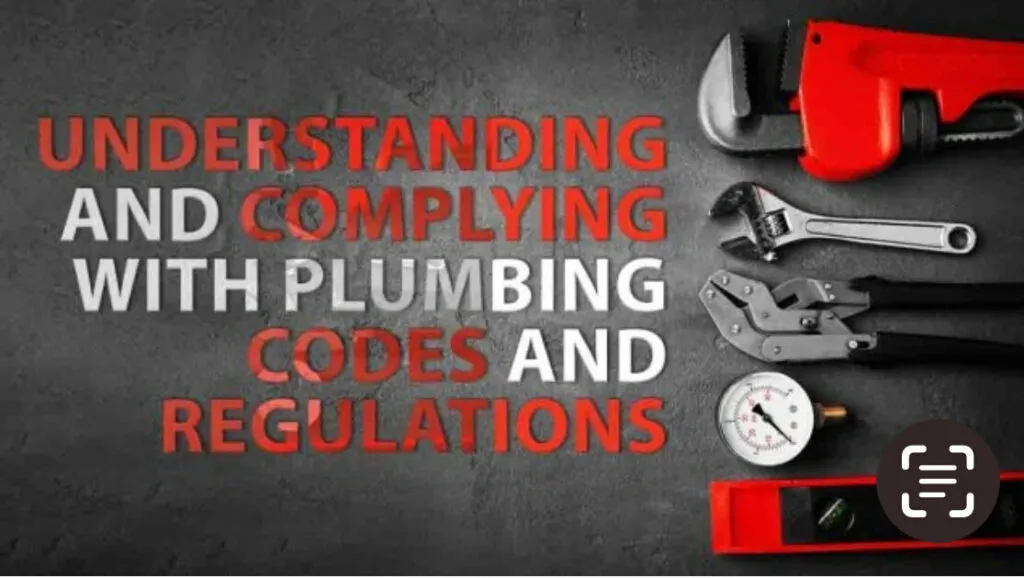
When it comes to plumbing, ensuring that your system is up to code is essential for both safety and functionality. In New Jersey, plumbing codes and regulations are designed to protect homeowners, ensure proper system installation, and prevent costly repairs down the line. At Plumbing Doctor, LLC, we’re committed to helping you navigate these rules and keep your plumbing systems compliant. Here’s what you need to know about plumbing codes in New Jersey.
Why Plumbing Codes Matter
Plumbing codes are a set of standards that regulate the design, installation, and maintenance of plumbing systems. They ensure that plumbing is done safely, efficiently, and with respect for public health. In New Jersey, these codes are set by the New Jersey State Uniform Construction Code (UCC) and are enforced by local municipalities. Whether you’re building a new home, renovating your bathroom, or replacing pipes, adhering to these codes is crucial.
Key Aspects of New Jersey Plumbing Codes
Permits and Inspections In New Jersey, any major plumbing work – from installing a new water heater to replacing sewer lines – generally requires a permit. A licensed plumber must submit the necessary paperwork to the local building department before starting work. After the work is completed, an inspection is usually required to ensure it complies with the codes. These inspections help identify any issues early, ensuring your plumbing is safe and effective.
Materials and Installation Standards New Jersey plumbing codes specify which materials are acceptable for different plumbing applications. For example, certain materials like copper, PEX, and PVC may be required for water supply lines, while others, such as cast iron or PVC, are suitable for waste lines. Proper installation techniques are equally important, as improper installation can lead to leaks, water damage, or unsafe conditions.
Water Efficiency and Conservation Modern plumbing codes often emphasize water conservation. Fixtures like faucets, showerheads, and toilets must meet specific water flow standards to reduce water consumption. New Jersey is committed to sustainable practices, and plumbing regulations reflect this by encouraging the use of water-saving devices and systems.
Health and Safety Plumbing codes also address critical safety issues such as the prevention of backflow (the reverse flow of contaminated water into the clean water supply) and the proper venting of waste pipes. These regulations help protect residents from dangerous water contamination and ensure the overall health of the plumbing system.
Conclusion
Understanding and adhering to New Jersey plumbing codes is essential for maintaining a safe, efficient, and legal plumbing system. Whether you’re dealing with a small repair or a large installation, make sure your work is up to code. Since Plumbing Doctor, LLC has a master plumber license, we’re able to help you with expert guidance regarding NJ’s plumbing codes and regulations, and assure professional up-to-code installations and repairs. Contact us today for assistance with code-compliant plumbing services!

Michael Holt
Owner and operator of Plumbing Doctor, NJ Master Plumber (Lic. #36BI01345600) and U.S. military veteran.
More about Mike